La Molisana Anelli Siciliani Pasta, Bronze Die, 16 oz | 454g
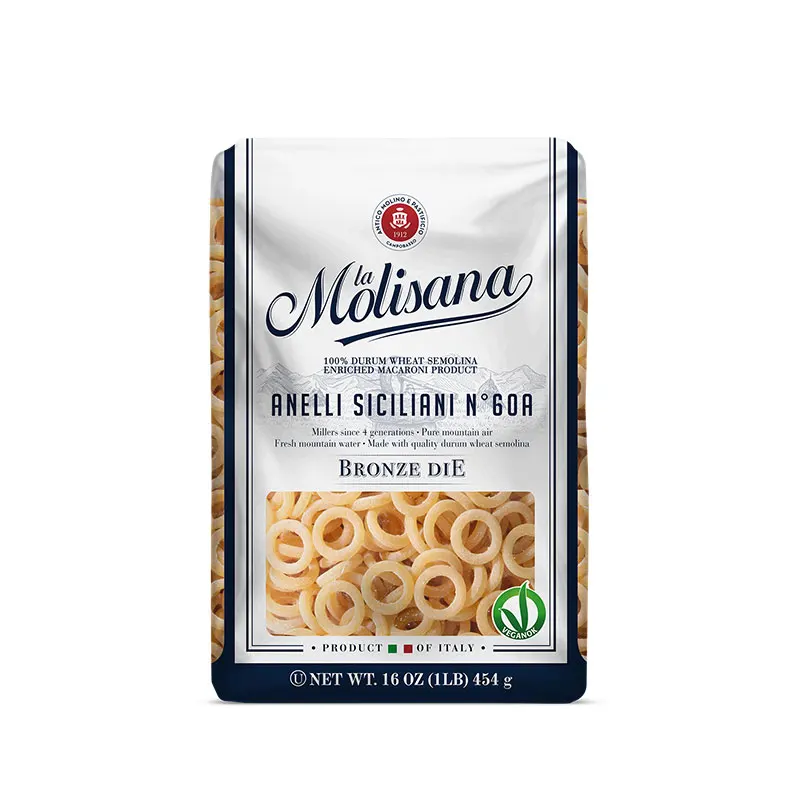
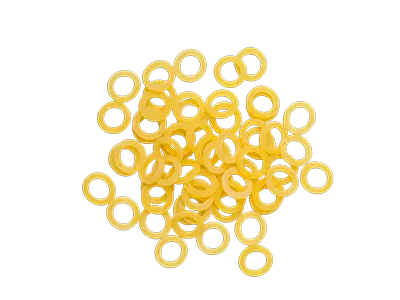
Bring a taste of Sicily to your kitchen with La Molisana Anelli Siciliani Pasta. These small, ring-shaped pasta cuts are traditionally used in baked pasta dishes, soups, and classic Sicilian recipes like Anelletti al Forno. Made from the finest 100% Italian durum wheat semolina and crafted with a bronze die extrusion, they offer a rough, porous surface that perfectly holds sauces.
Why You’ll Love It:
-
Authentic Anelli Siciliani pasta shape – perfect for traditional Sicilian cooking
-
Made with 100% Italian durum wheat semolina
-
Bronze die cut for superior texture and sauce absorption
-
Slow-dried for optimal taste and firmness
-
Net weight: 16 oz | 454g
Cooking & Serving Ideas:
-
Classic baked Anelletti al Forno with meat sauce, peas, and cheese
-
Added to soups and broths for a comforting touch
-
Tossed with tomato sauce, eggplant, and ricotta salata for a Sicilian-inspired meal
Product of Italy – Authentic pasta tradition since 1912.
Product Information
Product Information
Shipping & Returns
Shipping & Returns
Description
Bring a taste of Sicily to your kitchen with La Molisana Anelli Siciliani Pasta. These small, ring-shaped pasta cuts are traditionally used in baked pasta dishes, soups, and classic Sicilian recipes like Anelletti al Forno. Made from the finest 100% Italian durum wheat semolina and crafted with a bronze die extrusion, they offer a rough, porous surface that perfectly holds sauces.
Why You’ll Love It:
-
Authentic Anelli Siciliani pasta shape – perfect for traditional Sicilian cooking
-
Made with 100% Italian durum wheat semolina
-
Bronze die cut for superior texture and sauce absorption
-
Slow-dried for optimal taste and firmness
-
Net weight: 16 oz | 454g
Cooking & Serving Ideas:
-
Classic baked Anelletti al Forno with meat sauce, peas, and cheese
-
Added to soups and broths for a comforting touch
-
Tossed with tomato sauce, eggplant, and ricotta salata for a Sicilian-inspired meal
Product of Italy – Authentic pasta tradition since 1912.